-

東洲斎写楽 二世大谷鬼次の奴江戸兵衛 / Ohtani Oniji II as Yakko Edobei
JPY 1,375(USD 8.72)
【東洲斎写楽】 寛政6年(1794年)からのわずか10ヶ月間に約140点の作品を残し、忽然と姿を消した浮世絵界最大のミステリー。役者を単に美しく描く当時の常識を覆し、誇張された表情やポーズによって、その役柄の「本質」を抉り出すような強烈なデフォルメを施しました。そのあまりに鋭い写実性は、当時の役者や観客を驚愕させました。 【二世大谷鬼次の奴江戸兵衛】 寛政6年5月、河原崎座で上演された『恋女房染手綱(こいにょうぼうそめてづな)』に登場する、強欲な悪党・奴江戸兵衛を描いた一図です。 本作の最大の特徴は、その圧倒的な「動」の表現にあります。獲物を狙うように突き出された両手、カッと見開かれた眼、そして鼻を膨らませて歪められた口元。写楽は、役者が舞台上で放つ悪役としてのエネルギーを、極限までデフォルメして定着させました。 背景の「黒雲母摺(くろきらすり)」が、役者の放つ異様な威圧感をより鮮明に引き立て、画面から飛び出してくるかのような錯覚を観る者に与えます。浮世絵という枠を超え、世界美術史における肖像画の傑作として、今なお鮮烈な輝きを放ち続けています。 [Toshusai Sharaku] An enigmatic genius of the Edo period who redefined Ukiyo-e in just ten months. By boldly exaggerating the facial features and psychological states of Kabuki actors, Sharaku moved beyond mere likeness to capture the very soul of the performance, leaving a legacy that continues to fascinate the world. [Otani Oniji II as Yakko Edobei] This iconic masterpiece is perhaps the most recognized Ukiyo-e print in the world. It depicts the actor Otani Oniji II in the role of the villainous henchman Yakko Edobei from the play "Koi Nyobo Some-wakage," performed in May 1794. The work is celebrated for its incredible dynamic energy?his hands thrust forward like claws, his eyes wide with predatory intent, and his grimacing mouth all capture the very essence of a theatrical villain. The shimmering dark mica background (Kuro-kira) makes the figure pop with an almost three-dimensional intensity. Sharaku’s genius lies in his ability to freeze a moment of high dramatic tension, creating a psychological portrait that remains as powerful and modern today as it was over two centuries ago. #東洲斎写楽 #大谷鬼次 #奴江戸兵衛 #浮世絵 #役者絵 #大首絵 #江戸時代 #黒雲母摺 #日本美術 #伝統美 #ToshusaiSharaku #Ukiyoe #JapaneseArt #Kabuki #EdoPeriod #IconicArt #CulturalHeritage #MuseumQuality
-

東洲斎写楽 市川鰕蔵の竹村定之進 / Ichikawa Ebizo as Takemura Sadanoshin
JPY 1,375(USD 8.72)
【東洲斎写楽】 寛政6年(1794年)からのわずか10ヶ月間に約140点の作品を残し、忽然と姿を消した浮世絵界最大のミステリー。役者を単に美しく描く当時の常識を覆し、誇張された表情やポーズによって、その役柄の「本質」を抉り出すような強烈なデフォルメを施しました。そのあまりに鋭い写実性は、当時の役者や観客を驚愕させました。 【市川鰕蔵の竹村定之進】 寛政6年5月、河原崎座で上演された『恋女房染手綱(こいにょうぼうそめてづな)』に登場する、能楽師でありながら娘の不祥事ゆえに切腹する悲劇の武士、竹村定之進を描いた作品です。 モデルの市川鰕蔵(五代目市川團十郎)は、当時の歌舞伎界で頂点に君臨したカリスマ的名優。写楽は、鰕蔵特有の「三白眼(さんぱくがん)」や、深く刻まれた眉間の皺、力強く結ばれた口元を強調することで、死を覚悟した男の凄絶な覚悟と、内面から滲み出る威厳を圧倒的なリアリティで描き出しました。 背景の「黒雲母摺(くろきらすり)」が、鰕蔵の存在感を重厚に引き立て、画面全体に張り詰めた静寂と、古典悲劇の崇高さを与えています。写楽の鋭い観察眼が、名優の魂と共鳴した稀有な傑作です。 [Toshusai Sharaku] An enigmatic genius of the Edo period who redefined Ukiyo-e in just ten months. By boldly exaggerating the facial features and psychological states of Kabuki actors, Sharaku moved beyond mere likeness to capture the very soul of the performance, leaving a legacy that continues to fascinate the world. [Ichikawa Ebizo as Takemura Sadanoshin] This "Okubi-e" is widely regarded as one of Sharaku's absolute masterpieces. It depicts the legendary actor Ichikawa Ebizo (formerly Danjuro V) in the role of Takemura Sadanoshin from the play "Koi Nyobo Some-wakage," performed in May 1794. The character is a high-ranking samurai and Noh performer who chooses seppuku to take responsibility for his daughter's misconduct. Sharaku masterfully emphasizes Ebizo's iconic features?his sharp eyes, the deep furrows of his brow, and his firmly set mouth?to convey the immense dignity and tragic resolve of a man facing death. The dark mica background (Kuro-kira) adds a profound sense of gravity and timelessness to the portrait. It is a powerful collaboration of a genius artist and a charismatic superstar, capturing a moment of sublime theatrical intensity. #東洲斎写楽 #市川鰕蔵 #竹村定之進 #浮世絵 #役者絵 #大首絵 #江戸時代 #黒雲母摺 #市川團十郎 #伝統美 #ToshusaiSharaku #Ukiyoe #JapaneseArt #Kabuki #EdoPeriod #GreatMaster #CulturalHeritage #MuseumQuality
-

東洲斎写楽 二世市川高麗蔵の志賀大七 / Ichikawa Komazou II as Shiga Daishichi
JPY 1,375(USD 8.72)
【東洲斎写楽】 寛政6年(1794年)からのわずか10ヶ月間に約140点の作品を残し、忽然と姿を消した浮世絵界最大のミステリー。役者を単に美しく描く当時の常識を覆し、誇張された表情やポーズによって、その役柄の「本質」を抉り出すような強烈なデフォルメを施しました。そのあまりに鋭い写実性は、当時の役者や観客を驚愕させました。 【二世市川高麗蔵の志賀大七】 寛政6年5月、河原崎座で上演された『恋女房染手綱(こいにょうぼうそめてづな)』に登場する敵役、志賀大七を描いた大首絵です。 二世市川高麗蔵は、端正な顔立ちと力強い芸風で知られた名優。写楽はその整った容貌の中に、冷酷な暗殺者としての「鋭利な殺気」を封じ込めました。 真横を鋭く見据える眼差し、固く結ばれた口元、そして何よりも、胸元で交差させた両手の指先の繊細かつ不気味な表情が、この人物の冷徹さを物語っています。背景に施された「黒雲母摺(くろきらすり)」の重厚な輝きが、高麗蔵の白い肌を冷ややかに浮かび上がらせ、画面全体に張り詰めたような緊張感と、悪の美学をもたらしています。 [Toshusai Sharaku] An enigmatic genius of the Edo period who redefined Ukiyo-e in just ten months. By boldly exaggerating the facial features and psychological states of Kabuki actors, Sharaku moved beyond mere likeness to capture the very soul of the performance, leaving a legacy that continues to fascinate the world. [Ichikawa Komazo II as Shiga Daishichi] This "Okubi-e" portrays the popular actor Ichikawa Komazo II in the role of the cold-blooded villain Shiga Daishichi, performed in May 1794. Komazo II was famous for his handsome features and powerful acting style. Sharaku masterfully channels this elegance into a portrayal of a chilling assassin. The sharp, sideways glance and the tightly set lips convey a sense of lethal intent. Most notably, the intricate and somewhat eerie positioning of his fingers, crossed over his chest, speaks volumes about the character's calculating nature. The dark mica background (Kuro-kira) makes the actor’s pale complexion stand out coldly, imbuing the entire composition with a sense of taut tension and the "aesthetic of evil." #東洲斎写楽 #市川高麗蔵 #志賀大七 #浮世絵 #役者絵 #大首絵 #江戸時代 #黒雲母摺 #悪の美学 #伝統美 #ToshusaiSharaku #Ukiyoe #JapaneseArt #Kabuki #EdoPeriod #VillianArt #CulturalHeritage #MuseumQuality
-

東洲斎写楽 二世坂東三津五郎の石井源蔵 / Bandou Mitsugorou II as Ishii Genzou
JPY 1,375(USD 8.72)
【東洲斎写楽】 寛政6年(1794年)からのわずか10ヶ月間に約140点の作品を残し、忽然と姿を消した浮世絵界最大のミステリー。役者を単に美しく描く当時の常識を覆し、誇張された表情やポーズによって、その役柄の「本質」を抉り出すような強烈なデフォルメを施しました。そのあまりに鋭い写実性は、当時の役者や観客を驚愕させました。 【二世坂東三津五郎の石井源蔵】 寛政6年5月、都座で上演された『花菖蒲文禄曽我(はなしょうぶぶんろくそが)』に登場する、父の仇討ちを志す石井源蔵を描いた大首絵です。 二世坂東三津五郎は、当時「実事(実直な役)」を得意とした人気役者。写楽は彼の特徴である丸みのある顔立ちを活かしつつ、若き武士の内に秘めた「静かな情熱」を捉えました。 きゅっと結ばれた口元と、真っ直ぐに見据える眼差し。そこには、若さゆえの純粋さと、過酷な運命に立ち向かう凛とした精神性が同居しています。背景の「黒雲母摺(くろきらすり)」が、白く輝く顔立ちと黒髪を美しく際立たせ、復讐劇というドラマの緊張感を高めています。 [Toshusai Sharaku] The most enigmatic figure in Ukiyo-e history, Sharaku produced approximately 140 prints in a mere ten months starting in 1794 before vanishing completely. He revolutionized actor portraits by rejecting idealization, instead using bold exaggeration to capture the psychological intensity and true character of the performers. [Bando Mitsugoro II as Ishii Genzo] This "Okubi-e" portrays the popular actor Bando Mitsugoro II in the role of Ishii Genzo, a young samurai determined to avenge his father's death, from the play "Hana-shobu Bunroku Soga," performed in May 1794. Mitsugoro II was renowned for his honest and sincere acting style. Sharaku captures his youthful, rounded features while imbuing the portrait with a sense of quiet but firm resolve. The tightly set mouth and steady gaze reflect both the purity of youth and the stoic dignity required for his tragic mission. The dark mica background (Kuro-kira) creates a striking contrast with the actor's pale complexion, heightening the dramatic tension of the revenge story. #東洲斎写楽 #坂東三津五郎 #石井源蔵 #浮世絵 #役者絵 #大首絵 #江戸時代 #黒雲母摺 #武士道 #伝統美 #ToshusaiSharaku #Ukiyoe #JapaneseArt #Kabuki #EdoPeriod #SamuraiSpirit #CulturalHeritage #MuseumQuality
-

東洲斎写楽 嵐竜蔵の金貸石部金吉 / Arashi Ryuzo as the Moneylender Ishibe Kinkichi
JPY 1,375(USD 8.72)
【東洲斎写楽】 寛政6年(1794年)からのわずか10ヶ月間に約140点の作品を残し、忽然と姿を消した浮世絵界最大のミステリー。役者を単に美しく描く当時の常識を覆し、誇張された表情やポーズによって、その役柄の「本質」を抉り出すような強烈なデフォルメを施しました。そのあまりに鋭い写実性は、当時の役者や観客を驚愕させました。 【嵐竜蔵の金貸石部金吉】 寛政6年5月、都座で上演された『花菖蒲文禄曽我(はなしょうぶぶんろくそが)』に登場する強欲な金貸し、石部金吉を描いた大首絵です。 本作の見どころは、何と言ってもその「表情の醜悪さ」にあります。突き出した顎、薄い唇、そして相手を小馬鹿にするような細い眼差し。嵐竜蔵という役者の特徴を最大限に活かしつつ、金に執着する人間の卑しさを冷徹に描き出しました。 背景に施された「黒雲母摺(くろきらすり)」の重厚な輝きが、この人物の放つ負のエネルギーを際立たせ、観る者に強い違和感と同時に、目が離せないほどの強烈なインパクトを残します。人間の本質を突く写楽の「眼」の鋭さを証明する、異色の傑作です。 [Toshusai Sharaku] An enigmatic artist who revolutionized the world of Ukiyo-e during a brief ten-month career starting in 1794. By abandoning the tradition of idealizing actors and instead exaggerating their flaws and negative emotions, Sharaku’s work remains profoundly impactful, often seen as a precursor to modern expressionism. [Arashi Ryuzo as the Moneylender Ishibe Kinkichi] This "Okubi-e" depicts the actor Arashi Ryuzo in the role of the greedy moneylender Ishibe Kinkichi from the play "Hana-shobu Bunroku Soga," performed in May 1794. The masterpiece is defined by its unapologetic portrayal of human avarice. With a protruding chin, thin lips, and a disdainful, squinting gaze, Sharaku captures the vulgarity of a man obsessed with money. The dark mica background (Kuro-kira) emphasizes the negative charisma of the character, leaving the viewer with a lasting impression of raw, psychological intensity. It is a striking example of Sharaku's ability to expose the "unvarnished truth" of the human condition through his art. #東洲斎写楽 #嵐竜蔵 #石部金吉 #浮世絵 #役者絵 #大首絵 #江戸時代 #黒雲母摺 #リアリズム #伝統美 #ToshusaiSharaku #Ukiyoe #JapaneseArt #Kabuki #EdoPeriod #CharacterStudy #CulturalHeritage #MuseumQuality
-
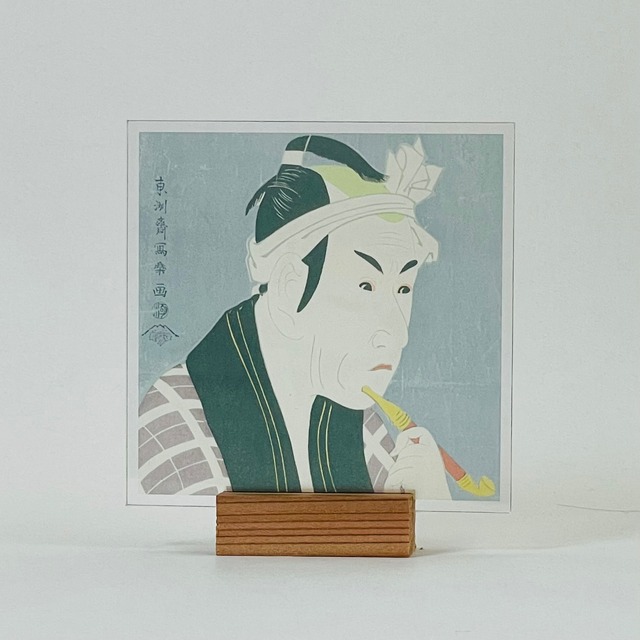
東洲斎写楽 四世松本幸四郎の山谷の肴屋五郎兵衛 / Matsumoto Koushirou IV as the Fish Seller Gorobei
JPY 1,375(USD 8.72)
【東洲斎写楽】 寛政6年(1794年)からのわずか10ヶ月間に約140点の作品を残し、忽然と姿を消した浮世絵界最大のミステリー。役者を単に美しく描く当時の常識を覆し、誇張された表情やポーズによって、その役柄の「本質」を抉り出すような強烈なデフォルメを施しました。そのあまりに鋭い写実性は、当時の役者や観客を驚愕させました。 【四世松本幸四郎の山谷の肴屋五郎兵衛】 寛政6年5月、河原崎座で上演された『恋女房染手綱(こいにょうぼうそめてづな)』に登場する肴屋五郎兵衛を描いた大首絵です。 四世松本幸四郎は、当時「鼻の幸四郎」と呼ばれるほど大きな鼻が特徴的でしたが、写楽はその特徴をあえて強調しつつ、そこに江戸の職人・町人としての「男の意地」を封じ込めました。 太い眉を寄せ、口を一文字に結んだ表情からは、困難に立ち向かう力強さと、正義感の強さが伝わってきます。また、その独特な鼻のラインが、顔立ちに力強い個性を与え、観る者に強い印象を残します。背景の「黒雲母摺(くろきらすり)」が、幸四郎の白い顔と意志の強さをより鮮明に、格調高く浮かび上がらせています。 [Toshusai Sharaku] An enigmatic genius who left the most profound impact in Ukiyo-e history. Sharaku's technique of depicting actors with stark realism?sometimes exaggerating their physical flaws?initially bewildered the Edo public. Today, it is revered as the ultimate expression for unmasking the raw humanity and inner passion of the performers. [Matsumoto Koshiro IV as the Fish Seller Gorobei] This "Okubi-e" depicts the actor Matsumoto Koshiro IV in the role of the fish seller Gorobei from the play "Koi Nyobo Some-wakage," performed in May 1794. Koshiro IV was famous for his prominent nose, earnng him the nickname "Nose Koshiro." Sharaku boldly emphasizes this feature while infusing the portrait with the "Edokko" spirit?a mix of grit, pride, and streetwise charm. The furrowed brow and firmly set mouth convey a sense of justice and unwavering resolve. The dark mica background (Kuro-kira) provides a sophisticated contrast, highlighting the actor's strong profile and the dignity of the character. It is a masterpiece that finds heroic beauty within a distinctively realistic portrayal. #東洲斎写楽 #松本幸四郎 #肴屋五郎兵衛 #浮世絵 #役者絵 #大首絵 #江戸時代 #黒雲母摺 #江戸っ子 #伝統美 #ToshusaiSharaku #Ukiyoe #JapaneseArt #Kabuki #EdoPeriod #EdoSpirit #CulturalHeritage #MuseumQuality
-

東洲斎写楽 三世沢村宗十郎の大岸蔵人 / Sawatari Sojurou III as Ohgishi Kurando
JPY 1,375(USD 8.72)
【東洲斎写楽】 寛政6年(1794年)からのわずか10ヶ月間に約140点の作品を残し、忽然と姿を消した浮世絵界最大のミステリー。役者を単に美しく描く当時の常識を覆し、誇張された表情やポーズによって、その役柄の「本質」を抉り出すような強烈なデフォルメを施しました。そのあまりに鋭い写実性は、当時の役者や観客を驚愕させました。 【三世沢村宗十郎の大岸蔵人】 寛政6年5月、都座で上演された『花菖蒲文禄曽我(はなしょうぶぶんろくそが)』に登場する大岸蔵人を描いた大首絵です。 三世沢村宗十郎は、理知的で気品のある演技で人気を博した当時の名優。本作においても、写楽はその「気高さ」を見事に捉えています。軽く閉じた口元、思慮深さを湛えた穏やかな眼差し、そして扇を手にする優雅な所作。写楽特有の強烈なデフォルメを抑え、武士としての矜持と、静かな決意を感じさせる端正な一図に仕上げています。 背景に施された「黒雲母摺(くろきらすり)」が、宗十郎の白い顔立ちを格調高く浮かび上がらせ、画面全体に重厚な静寂と、深い余韻をもたらしています。 [Toshusai Sharaku] An enigmatic genius of the Edo period who redefined Ukiyo-e in just ten months. By boldly exaggerating the facial features and psychological states of Kabuki actors, Sharaku moved beyond mere likeness to capture the very soul of the performance, leaving a legacy that continues to fascinate the world. [Sawamura Sojuro III as Ogishi Kurando] This "Okubi-e" portrays the popular actor Sawamura Sojuro III in the role of the dignified samurai Ogishi Kurando, performed in May 1794. Sojuro was renowned for his refined and intellectual acting style, which Sharaku captures here with exceptional grace. Unlike his more grotesque portrayals of villains, Sharaku depicts the actor with a calm, thoughtful gaze and an elegant posture holding a fan. The print radiates the quiet strength and pride of a high-ranking samurai. The dark mica background (Kuro-kira) creates a sophisticated contrast, making the actor’s serene expression stand out with a sense of gravity and timeless beauty. #東洲斎写楽 #沢村宗十郎 #大岸蔵人 #浮世絵 #役者絵 #大首絵 #江戸時代 #黒雲母摺 #武士道 #伝統美 #ToshusaiSharaku #Ukiyoe #JapaneseArt #Kabuki #EdoPeriod #SamuraiSpirit #CulturalHeritage #MuseumQuality
-

東洲斎写楽 谷村虎蔵の鷲塚八平次 / Tanimura Torazo as Washizuka Happeiji
JPY 1,375(USD 8.72)
【東洲斎写楽】 寛政6年(1794年)からのわずか10ヶ月間に約140点の作品を残し、忽然と姿を消した浮世絵界最大のミステリー。役者を単に美しく描く当時の常識を覆し、誇張された表情やポーズによって、その役柄の「本質」を抉り出すような強烈なデフォルメを施しました。そのあまりに鋭い写実性は、当時の役者や観客を驚愕させました。 【谷村虎蔵の鷲塚八平次】 寛政6年5月、河原崎座で上演された『恋女房染手綱(こいにょうぼうそめてづな)』に登場する敵役、鷲塚八平次を演じる谷村虎蔵を描いた大首絵です。 本作の白眉は、敵役らしい「執念」と「狡猾さ」が同居した表情にあります。細く吊り上がった眉、見開かれた鋭い眼差し、そして固く結ばれた口元。写楽は、役者が舞台上で放つ「悪の華」を一切の妥協なく描き出しました。 背景の「黒雲母摺(くろきらすり)」による深い闇のような輝きが、役者の存在感を立体的に浮かび上がらせ、画面全体に張り詰めた緊張感を与えています。時代を超えて観る者を射抜くような、写楽の圧倒的な眼力が宿った傑作です。 [Toshusai Sharaku] The most enigmatic figure in Ukiyo-e history, Sharaku produced approximately 140 prints in a mere ten months starting in 1794 before vanishing completely. He revolutionized actor portraits by rejecting idealization, instead using bold exaggeration to capture the psychological intensity and true character of the performers. His work was often considered too realistic or even satirical for the tastes of his time, yet it remains some of the most powerful portraiture in world art. [Tanimura Torazo as Washizuka Happeiji] This "Okubi-e" portrays the actor Tanimura Torazo as the villain Washizuka Happeiji in the play "Koi Nyobo Some-wakage," performed in May 1794. The print is celebrated for its raw depiction of the character's malevolence and cunning. With sharply arched eyebrows, piercing eyes, and a tightly set mouth, Sharaku captures the "evil brilliance" of the antagonist. The use of a dark mica background (Kuro-kira) creates a dramatic depth, making the actor’s powerful expression pop from the shadows. Sharaku's ability to strip away the mask of the performer to reveal the soul of the character is captured here with breathtaking intensity. #東洲斎写楽 #谷村虎蔵 #鷲塚八平次 #浮世絵 #役者絵 #大首絵 #江戸時代 #黒雲母摺 #真実の美 #江戸文化 #ToshusaiSharaku #Ukiyoe #JapaneseArt #Kabuki #EdoPeriod #DramaticArt #CulturalHeritage #MuseumQuality
-

喜多川歌麿 木挽町新やしき・小伊勢屋おちゑ / Ochie of Koiseya, Kobikich? Shin-Yashiki
JPY 1,375(USD 8.72)
【喜多川歌麿】 江戸時代、浮世絵黄金期を代表する美人画の大家。女性の顔を大きく描く「大首絵(おおくびえ)」の技法を確立し、単なる外見の美醜のみならず、その奥底に潜む感情や心理状態までも鋭く描き出しました。 【木挽町新やしき・小伊勢屋おちゑ】 木挽町(現在の銀座周辺)にあった茶屋「小伊勢屋」の看板娘、おちゑを描いた大首絵です。彼女は「江戸の三美人」の一人に数えられるほど高い人気を誇り、彼女を一目見ようと店には多くの客が詰めかけました。 本作で歌麿は、おちゑの透き通るような白い肌と、まだ幼さを残しながらも気品に満ちた顔立ちを、流麗な細線で完璧に表現しています。左手で着物の袂(たもと)を軽く持ち上げるしなやかな所作、そして結い上げられた髪の緻密な描写は、歌麿の卓越した技量の証です。 背景に施された「雲母摺(きらすり)」が、彼女の存在を特別な光の中に浮かび上がらせ、江戸の町娘としての瑞々しい美しさを神々しいまでに引き立てています。実在のスターを鮮やかに記録した、江戸のファッション・グラビアの最高峰です。 [Kitagawa Utamaro] The leading master of "Bijin-ga" (paintings of beautiful women) during the golden age of Ukiyo-e. He excelled at capturing not just feminine beauty but also the latest trends and celebrities of Edo, famously portraying real-life teahouse waitresses who became the city's icons. [Ochie of Koiseya, Kobikicho Shin-Yashiki] This "Okubi-e" (large-head portrait) depicts Ochie, a famous waitress from the teahouse "Koiseya" in the Kobikicho district (present-day Ginza). She was celebrated as one of the "Three Beauties of Edo," drawing vast crowds of admirers. Utamaro captures her youthful yet dignified face and translucent skin with his signature delicate lines. Her graceful posture, as she lifts her sleeve, and the intricate detail of her coiffure demonstrate Utamaro's unparalleled craftsmanship. The shimmering mica background (Kira-suri) elevates her presence, making the charming town girl appear almost divine. This work stands as a premier example of Edo-era celebrity portraiture, blending realistic features with idealized elegance. #喜多川歌麿 #小伊勢屋おちゑ #浮世絵 #美人画 #大首絵 #江戸時代 #江戸の三美人 #雲母摺 #看板娘 #伝統美 #KitagawaUtamaro #Ukiyoe #JapaneseArt #Bijinga #EdoPeriod #CelebrityPortrait #CulturalHeritage #MuseumQuality
-

喜多川歌麿 婦人相学拾躰・髪洗い / Ten Physiognomies of Women: Washing Hair
JPY 1,375(USD 8.72)
【喜多川歌麿】 江戸時代、浮世絵黄金期を代表する美人画の大家。女性の顔を大きく描く「大首絵(おおくびえ)」の技法を確立し、単なる外見の美醜のみならず、その奥底に潜む感情や心理状態までも鋭く描き出しました。 【婦人相学拾躰・髪洗い】 女性の様々な性質や状態を十の型で描き分けた「婦人相学拾躰」シリーズの一図です。 本作は、結った髪を解き、盥(たらい)の前に屈んで髪を洗う女性の姿を捉えています。豊かな黒髪が水に濡れ、肩から背中へと流れるライン。その重なり合う髪の一本一本までが、歌麿の流麗な線によって緻密に表現されています。 襟足を大きく見せ、着物を寛がせた姿には、当時の浮世絵が求めた「生活の中の色香」が漂います。しかし、それは決して下品なものではなく、日常の清潔な美しさとして昇華されています。背景の「雲母摺(きらすり)」が、水しぶきの清涼感と女性の白い肌の質感をよりいっそう際立たせ、静かな水の音までもが聞こえてきそうな臨場感を生んでいます。 [Kitagawa Utamaro] The leading master of "Bijin-ga" (paintings of beautiful women) during the golden age of Ukiyo-e. He specialized in "Okubi-e" (large-head portraits), using his delicate brushwork to vividly capture both the inner emotions and the fleeting moments of beauty found in the daily lives of women. [Ten Physiognomies of Women: Washing Hair (Fujin Sogaku Juttai: Kami-arai)] This print is part of the "Ten Physiognomies of Women" series, which explores various feminine characters and states. It depicts a woman crouched before a washbowl, having unpinned her hair to wash it. The flow of her abundant black hair, wet and cascading over her shoulders and back, is rendered with incredible precision through Utamaro’s fluid lines. The depiction of her exposed neck and loosely worn kimono evokes the "sensuality of daily life" highly prized in Ukiyo-e, yet it remains refined and celebrates a moment of pure, domestic beauty. The shimmering mica background (Kira-suri) enhances the cool sensation of the water and the translucency of her skin, creating an atmosphere so vivid one can almost hear the gentle splashing of water. #喜多川歌麿 #髪洗い #浮世絵 #美人画 #大首絵 #江戸時代 #雲母摺 #江戸の生活 #黒髪 #伝統美 #KitagawaUtamaro #Ukiyoe #JapaneseArt #Bijinga #EdoPeriod #DailyLife #CulturalHeritage #MuseumQuality
-
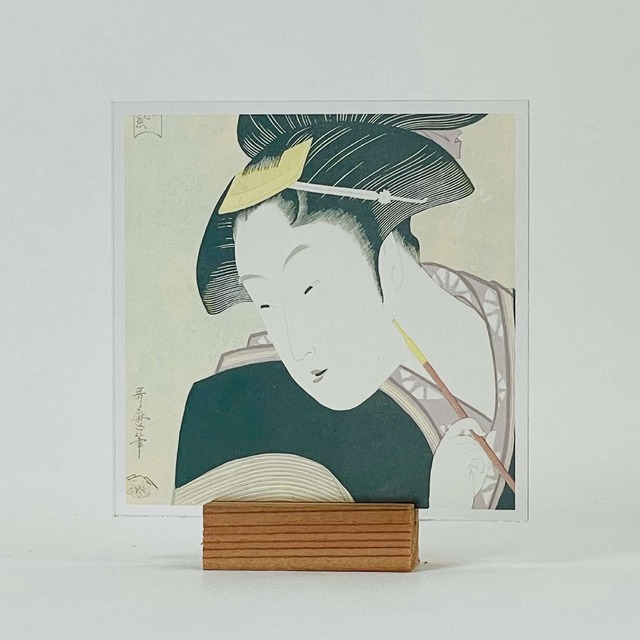
喜多川歌麿 歌撰恋之部・深く忍恋 / Anthology of Love: Deeply Hidden Love
JPY 1,375(USD 8.72)
【喜多川歌麿】 江戸時代、浮世絵黄金期を代表する美人画の大家。女性の顔を大きく描く「大首絵(おおくびえ)」の技法を確立し、単なる外見の美醜のみならず、その奥底に潜む感情や心理状態までも鋭く描き出しました。 【歌撰恋之部・深く忍恋】 「歌撰恋之部」シリーズ全五図の中でも、特に心理描写が秀逸とされる作品です。「深く忍恋」の題が示す通り、誰にも知られてはならない、しかし抑えきれないほど深く激しい恋心を抱く女性の姿を捉えています。 女性は袖を口元に当て、周囲を気にするような、あるいは自らの感情を押し殺そうとするかのような仕草を見せています。細く描かれた眉と、わずかに見開かれた瞳。その表情からは、忍ぶ恋ゆえの危うさと、凛とした緊張感が伝わってきます。 背景の「雲母摺(きらすり)」が、張り詰めた空気感と女性の白い肌の質感を際立たせ、観る者を江戸の静かな「忍ぶ恋」の世界へと引き込みます。歌麿の鋭い感性が、目に見えない「恋の重み」を視覚化した、浮世絵史上の金字塔です。 [Kitagawa Utamaro] The preeminent master of "Bijin-ga" (paintings of beautiful women) during the golden age of Ukiyo-e. He specialized in "Okubi-e" (large-head portraits), focusing on the emotional depth and psychological nuances of his subjects rather than just their physical appearance. [Anthology of Love: Deeply Hidden Love (Kasen Koi no Bu: Fukaku Shinobu Koi)] This print is considered one of the finest psychological portraits in Utamaro's "Anthology of Love" series. As the title "Deeply Hidden Love" suggests, it portrays a woman harboring a love that must remain secret. She is depicted bringing her sleeve to her mouth, a gesture that conveys her struggle to suppress her overflowing emotions while remaining wary of others' gazes. Her slender brows and wide, intense eyes reveal the delicate tension and the weight of her hidden passion. The shimmering mica background (Kira-suri) emphasizes the taut atmosphere and the elegance of her form, effectively visualizing the internal drama of a secret romance. It is a monumental achievement in Ukiyo-e for its ability to depict the invisible complexities of the human heart. #喜多川歌麿 #歌撰恋之部 #深く忍恋 #浮世絵 #美人画 #大首絵 #江戸時代 #雲母摺 #恋 #心理描写 #KitagawaUtamaro #Ukiyoe #JapaneseArt #Bijinga #EdoPeriod #SecretLove #CulturalHeritage #MuseumQuality
-

喜多川歌麿 婦女人相十品・ポッピンを吹く女 / Woman Blowing a Glass Toy (Poppin)
JPY 1,375(USD 8.72)
【喜多川歌麿】 江戸時代、浮世絵黄金期を代表する美人画の大家。女性の顔を大きく描く「大首絵(おおくびえ)」の技法を確立し、単なる外見の美醜のみならず、その奥底に潜む感情や心理状態までも鋭く描き出しました。 【ポッピンを吹く女】 歌麿の代名詞とも言える本作は、シリーズ「婦女人相十品(ふじんにんそうじゅっぴん)」のうちの一図です。当時流行した「ポッピン(ポペン)」と呼ばれるガラス製の玩具を口にくわえ、その音を楽しんでいる若い女性が描かれています。 注目すべきは、女性の若々しさを象徴するディテールの数々です。市松模様の振り袖に、まだ幼さを残す愛らしい表情。ガラスの繊細な透明感と、それを吹く瞬間の頬のわずかな動きまでが、流麗な線描によって表現されています。 背景には、高級感溢れる「雲母摺(きらすり)」が施され、銀色の輝きが彼女の白い肌をより瑞々しく引き立てています。江戸の平和な日常に流れる、軽快で弾けるような音までが聞こえてきそうな、時代を超えて愛されるポップな名作です。 [Kitagawa Utamaro] The preeminent master of "Bijin-ga" (paintings of beautiful women) during the golden age of Ukiyo-e. He specialized in "Okubi-e" (large-head portraits), capturing the fashion, personality, and fleeting moments of women in Edo with unparalleled elegance and precision. [Woman Blowing a Glass Toy (Popen) / Fujo Ninso Juppin: Popen o fuku onna] This iconic work is perhaps Utamaro's most famous masterpiece. It depicts a fashionable young woman blowing into a "Popen," a delicate glass toy that makes a popping sound when air is blown into it. The print is a brilliant showcase of Edo-era youth and "Iki" (chic aesthetics). Her checkered kimono and innocent, lively expression reflect the carefree spirit of a daughter from a wealthy family. The shimmering mica background (Kira-suri) highlights her radiant skin, while the fine lines capture the fragile transparency of the glass toy. This work perfectly encapsulates a moment of playful delight, standing as a timeless symbol of Japanese pop culture from the Edo period. #喜多川歌麿 #ポッピンを吹く女 #浮世絵 #美人画 #大首絵 #江戸時代 #雲母摺 #江戸の粋 #伝統工芸 #ポペン #KitagawaUtamaro #Ukiyoe #JapaneseArt #Bijinga #EdoCulture #PopCulture #CulturalHeritage #MuseumQuality
-

喜多川歌麿 教訓親の目鑑・不作者 / Lesson of a Parent's Eye: The Lazy One
JPY 1,375(USD 8.72)
SOLD OUT
【喜多川歌麿】 江戸時代、浮世絵黄金期を代表する美人画の大家。女性の顔を大きく描く「大首絵(おおくびえ)」の技法を確立し、単なる外見の美醜のみならず、その奥底に潜む感情や心理状態までも鋭く描き出しました。 【教訓親の目鑑・不作者】 「親の目から見た教訓」というコンセプトで、様々なタイプの娘たちを描いたシリーズの一図です。「不作者(ふさくしゃ)」とは、現代で言えば「怠け者」や「だらしない人」を指します。 画面には、寝ぼけ眼で欠伸(あくび)をし、乱れた髪をそのままに、片肌を脱いで寛ぎすぎる娘の姿が描かれています。右手で火吹き竹を弄びながら、家事もせずにぼんやりとしている様子は、当時の江戸の日常風景を活写しています。 歌麿はあえて「美しく整った姿」ではなく、こうした「隙のある姿」を描くことで、人間本来の愛嬌や、飾らない生活感を浮き彫りにしました。親が眉をひそめつつも、どこか放っておけない娘への慈しみが、レンズ(目鑑)越しに伝わってくるような、温かみのある風俗画です。 [Kitagawa Utamaro] The preeminent master of "Bijin-ga" (paintings of beautiful women) during the golden age of Ukiyo-e. While famous for idealized beauty, in his later years, he produced series that categorized human character and daily habits with a sharp, observant eye for realism. [Lesson of a Parent's Eye: The Lazy One (Kyokun Oya no Megane: Fusakusha)] This print is part of a series that depicts various types of young women through the metaphorical "lens" of a parent's judgment. "Fusakusha" refers to a lazy or untidy person. The image captures a young woman in a state of utter relaxation?yawning with sleepy eyes, her hair disheveled, and her kimono casually falling off one shoulder. She idly fidgets with a bamboo blowpipe (hifukidake) used for stoking fires, clearly neglecting her household chores. By choosing to depict such an "imperfect" moment rather than an idealized pose, Utamaro highlights the raw, unvarnished charm of everyday life. It is a humorous and relatable work that reflects a parent’s exasperation mixed with an underlying affection for their flawed daughter. #喜多川歌麿 #教訓親の目鑑 #不作者 #浮世絵 #風俗画 #大首絵 #江戸時代 #江戸の生活 #人間味 #教訓 #KitagawaUtamaro #Ukiyoe #JapaneseArt #EdoPeriod #DailyLife #Satire #CulturalHeritage #MuseumQuality
-

喜多川歌麿 歌撰恋之部・物思恋 / Anthology of Love: Thoughtful Love
JPY 1,375(USD 8.72)
【喜多川歌麿】 江戸時代、浮世絵黄金期を代表する美人画の大家。女性の顔を大きく描く「大首絵(おおくびえ)」の技法を確立し、単なる外見の美醜のみならず、その奥底に潜む感情や心理状態までも鋭く描き出しました。 【歌撰恋之部・物思恋】 五枚からなる「歌撰恋之部」シリーズのなかでも、最も評価の高い一図です。「物思恋(ものおもうこい)」の題が示す通り、人知れず募る恋心に胸を痛め、物思いに耽る女性の刹那を切り取っています。 眉を寄せ、顎に手を当てて一点を見つめる眼差し。その表情からは、言葉にできない憂いと、内側に燃える激しい情念が静かに伝わってきます。背景には豪華な「雲母摺(きらすり)」が施され、その銀色の輝きが、女性の白い肌と黒髪、そして複雑な恋の心理を神々しいまでに際立たせています。 歌麿は、この一図において「恋という病」を視覚化することに成功しました。浮世絵史上に残る、心理描写の極致とも言える傑作です。 [Kitagawa Utamaro] The preeminent master of "Bijin-ga" (paintings of beautiful women) during the golden age of Ukiyo-e. He specialized in "Okubi-e" (large-head portraits), focusing on the emotional depth and psychological nuances of his subjects rather than just their physical appearance. [Anthology of Love: Thoughtful Love (Kasen Koi no Bu: Mono-omou Koi)] Regarded as one of Utamaro's absolute masterpieces, this print is part of the "Anthology of Love" series. It depicts a woman lost in deep contemplation over a secret, perhaps unrequited, love. Her furrowed brow and the way she rests her chin on her hand perfectly convey a sense of melancholy and inner longing. The background features a lavish mica-dust finish (Kira-suri), creating a shimmering effect that highlights the woman’s porcelain skin and intricate expression. Utamaro successfully visualizes the "invisible" ache of love, making this one of the most sophisticated examples of psychological portraiture in the history of Ukiyo-e. #喜多川歌麿 #歌撰恋之部 #物思恋 #浮世絵 #美人画 #大首絵 #江戸時代 #雲母摺 #恋 #心理描写 #KitagawaUtamaro #Ukiyoe #JapaneseArt #Bijinga #EdoPeriod #RomanticLove #CulturalHeritage #MuseumQuality
-

喜多川歌麿 婦女人相十品・浮気之相 / Ten Types of Female Physiognomy: The Unfaithful Type
JPY 1,375(USD 8.72)
【喜多川歌麿】 江戸時代、浮世絵黄金期を代表する美人画の大家。女性の顔を大きく描く「大首絵(おおくびえ)」の技法を確立し、単なる外見の美醜のみならず、その奥底に潜む感情や心理状態までも鋭く描き出しました。 【婦女人相十品・浮気之相】 本作は、喜多川歌麿の代表的なシリーズ『婦人相学十体』の中でも、特に名高い傑作の一つです。「相学(にんそうがく)」とは、顔立ちからその人の性格や運命を読み解く術を指します。タイトルの「浮気」という言葉は、現代的な意味での不貞行為を指すものではなく、心が移ろいやすく軽薄であることや、情に流されやすい色気のある気質を表しています。 描かれている女性は湯上がり姿で、市松模様のゆったりとした浴衣を無造作に羽織り、右手で襟元を押さえながら、左肩には手ぬぐいを掛けています。少し乱れた髪や、のぞく首筋と胸元が、湯上がり特有の気だるげな色香を漂わせています。歌麿は、彼女の眼差しに宿るどこか上の空のような雰囲気や奔放な気配を見事に捉え、捉えどころなく揺れ動く心の機微を一枚の絵の中に定着させました。こうした人物の気質や官能性に対する深い洞察こそが、本作を「美人画」というジャンルにおける最高傑作の一つへと高めているのです。 [Kitagawa Utamaro] The preeminent master of "Bijin-ga" during the golden age of Ukiyo-e. He revolutionized the genre with "Okubi-e" (large-head portraits), moving beyond mere physical depiction to capture the inner psyche and subtle emotions of his subjects. [Ten Types of Female Physiognomy: The Unfaithful Type (Fujo Ninso Juppin: Uwaki no So)] This masterpiece is one of Utamaro's most ambitious works, aiming to categorize female characters through their facial features. In the Edo period, "Uwaki" referred to a flighty, restless, or sensual nature rather than modern infidelity. The woman is depicted in a state of post-bath dishabille, draped loosely in a checkered yukata. Her slightly disheveled hair and the casual way she holds her robe evoke a sense of raw, uninhibited sensuality. Utamaro masterfully captures her wandering gaze and restless spirit, transforming a study of "physiognomy" into a profound exploration of human desire and personality. #喜多川歌麿 #浮世繪 #美人畫 #江?時代 #大首繪 #人相 #浮氣之相 #日本畫 #傳統美 #感官美 #KitagawaUtamaro #Ukiyoe #JapaneseArt #Bijinga #EdoPeriod #Physiognomy #CulturalHeritage #MuseumQuality
-

喜多川歌麿 婦人手業操鏡・洗濯 / Women's Handy Work: Laundry
JPY 1,375(USD 8.72)
【喜多川歌麿】 江戸時代、浮世絵黄金期を代表する美人画の大家。女性の顔を大きく描く「大首絵(おおくびえ)」を創始し、外面的な美しさだけでなく、その内面に潜む感情や機微までも描き出しました。繊細な線描と柔らかな色彩により、江戸の女性たちの憧れの的となった絵師です。 【婦人手業操鏡・洗濯】 女性の日常的な家事の姿を、鏡を通した視点で描く「婦人手業操鏡(ふじんてわざあやつりかがみ)」シリーズの一図です。 本作では、洗濯に勤しむ二人の女性が描かれています。一人は盥(たらい)の前に座り込み、もう一人は洗い上げた布を力強く絞る。注目すべきは、労働の最中であっても失われない女性たちの「艶やかさ」です。腕を捲り上げ、胸元がわずかに着崩れた姿は、生活感の中に江戸特有の健康的な色香を漂わせています。 歌麿は、単なる風俗画としてではなく、布の質感や水の動き、そして働く女性のしなやかな肢体を、洗練された構図の中に封じ込めました。日常の何気ない「手仕事」を芸術の域へと高めた、歌麿の鋭い観察眼が光る名作です。 [Kitagawa Utamaro] The preeminent master of "Bijin-ga" (paintings of beautiful women) during the golden age of Ukiyo-e in the Edo period. He revolutionized the genre by creating "Okubi-e" (large-head portraits), capturing not just physical beauty but the subtle emotions and personalities of his subjects with delicate lines and soft colors. [Women's Handy Work: Laundry (Fujin Te-waza Ayatsuri Kagami: Sentaku)] This print is part of a series titled "A Mirror of Women's Handy Work," which captures women engaged in various daily chores. This specific scene depicts two women focused on their laundry—one scrubbing at a washbowl and the other vigorously wringing out a cloth. Utamaro masterfully portrays the vitality and healthy sensuality of these working-class women; their rolled-up sleeves and slightly loosened robes reveal a realistic yet elegant glimpse into Edo life. By focusing on the rhythmic movements of their bodies and the textures of the fabric, Utamaro transforms a mundane household task into a sophisticated work of art, celebrating the inherent grace found in everyday labor. #喜多川歌麿 #浮世絵 #美人画 #江戸時代 #風俗画 #洗濯 #手仕事 #伝統美 #日本画 #江戸文化 #KitagawaUtamaro #Ukiyoe #JapaneseArt #Bijinga #EdoPeriod #HandyWork #CulturalHeritage #MuseumQuality
-

伊藤若冲 菊花流水図 / Chrysanthemums and Flowing Water
JPY 1,375(USD 8.72)
【伊藤若冲】 江戸時代中期に京都で活躍した天才絵師。超細密な描写と、奇抜とも言える独創的な構成、そして鮮やかな色彩は「奇想の絵師」として現代でも絶大な人気を誇ります。 【菊花流水図】 若冲の代表作の一つ。画面を埋め尽くすように描かれた色とりどりの菊の花と、その間を縫うように流れる変幻自在な水の動きが描かれています。規則性と不規則性が同居する流水の表現は、まるで現代のアートのようなモダンさを感じさせます。一輪一輪、丹念に描き込まれた菊の生命力と、永遠に形を変え続ける水の対比。若冲の「生命の真髄を描く」という執念が、正方形の空間の中に凝縮された、目にも鮮やかな名作です。 [It? Jakuch?] A genius painter of the mid-Edo period in Kyoto. Known as an artist of "eccentric imagination," Jakuch? is celebrated for his hyper-realistic detail, bold compositions, and vivid use of color. [Chrysanthemums and Flowing Water] This masterpiece showcases Jakuch?'s unique vision, where vibrant, meticulously painted chrysanthemums interact with a highly stylized, swirling stream. The abstract pattern of the flowing water feels remarkably modern, contrasting with the lush, life-like detail of each flower. It represents the harmony between the ephemeral beauty of flora and the eternal movement of water. On this tile, Jakuch?’s devotion to capturing the essence of life results in a stunning, decorative work of art. #伊藤若冲 #菊花流水図 #江戸絵画 #京都 #日本画 #菊 #流水紋 #日本画タイル #日本土産 #インテリアアート #Jakuchu #JapaneseArt #Chrysanthemum #UkiyoeStyle #MuseumQuality
-

伊藤若冲 蓮池遊魚図 / Fish in Lotus Pond
JPY 1,375(USD 8.72)
【伊藤若冲】 江戸時代中期に京都で活躍した天才絵師。超細密な描写と、奇抜とも言える独創的な構成、そして鮮やかな色彩は「奇想の絵師」として現代でも絶大な人気を誇ります。 【蓮池遊魚図】 蓮池の中を悠々と泳ぐ魚たちの姿を、若冲特有の緻密な描写で捉えた一図です。水面から立ち上がる蓮の葉と、水中に潜む魚たちの遠近感が、繊細な階調で表現されています。若冲は「動植物の真理」を描くために、庭に数多くの生き物を放って観察を続けたと言われており、本作でも魚の鱗一枚一枚、蓮の葉の虫食い跡に至るまで、生命のありのままの姿が描き込まれています。静寂の中に宿る瑞々しい生命の息吹を感じさせる、上品で洗練された名作です。 [It? Jakuch?] A genius painter of the mid-Edo period in Kyoto. Known as an artist of "eccentric imagination," Jakuch? is celebrated for his hyper-realistic detail, bold compositions, and vivid use of color. [Fish Swimming in a Lotus Pond] This tile depicts fish gliding gracefully through a tranquil lotus pond. Jakuch?’s legendary attention to detail is evident in every scale of the fish and the natural imperfections of the lotus leaves. The composition masterfully balances the vertical lines of the lotus stems with the fluid, horizontal movements of the fish, creating a profound sense of depth and serenity. It is a refreshing masterpiece that captures a moment of quiet life beneath the water’s surface with scientific precision and poetic beauty. #伊藤若冲 #蓮池遊魚図 #江戸絵画 #京都 #日本画 #蓮 #魚 #日本画タイル #日本土産 #インテリアアート #Jakuchu #JapaneseArt #LotusPond #ZenArt #MuseumQuality
-
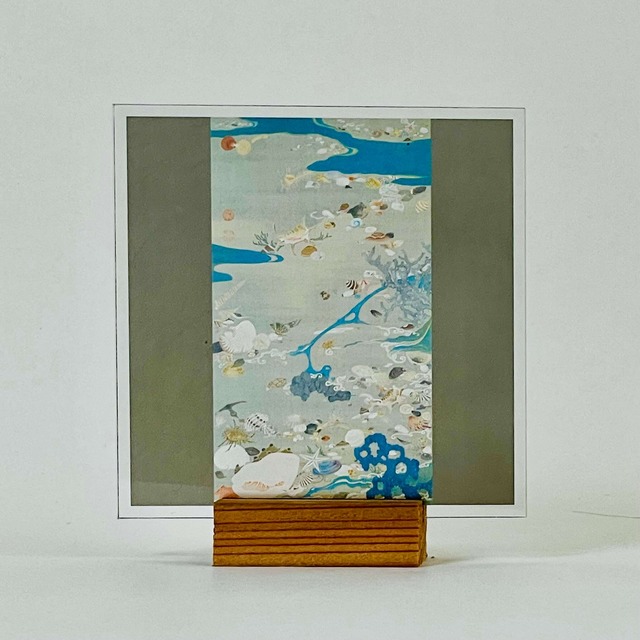
伊藤若冲 貝甲図 / Shells and Crustaceans
JPY 1,375(USD 8.72)
【伊藤若冲】 江戸時代中期に京都で活躍した天才絵師。超細密な描写と、奇抜とも言える独創的な構成、そして鮮やかな色彩は「奇想の絵師」として現代でも絶大な人気を誇ります。 【貝甲図】 海辺に散らばる多種多様な貝、そして蟹や海老を、まるで標本のように緻密かつ色彩豊かに描いた一図です。若冲の「写生」への執念が、貝殻の複雑な模様や光沢、甲殻類の硬質な質感に見事に結実しています。背景を排除し、それぞれの造形美を強調する構成は、現代のデザインにも通じるモダンな感覚に溢れています。生命の多様性と自然が生み出した「究極の造形」を愛でる、若冲の美意識が凝縮された傑作です。 [It? Jakuch?] A genius painter of the mid-Edo period in Kyoto. Known as an artist of "eccentric imagination," Jakuch? is celebrated for his hyper-realistic detail, bold compositions, and vivid use of color. [Shells and Crustaceans] This tile features a meticulous and colorful array of various shells, crabs, and shrimp, captured as if they were a curated scientific collection. Jakuch?’s obsession with "copying from life" is evident in the intricate patterns, pearlescent lusters, and hard textures of each sea creature. The lack of a background emphasizes the pure sculptural beauty of the forms, resulting in a composition that feels remarkably modern and decorative. It is a masterpiece that celebrates the incredible diversity and artistic perfection found in nature. #伊藤若冲 #貝甲図 #江戸絵画 #京都 #日本画 #貝 #標本アート #日本画タイル #日本土産 #インテリアアート #Jakuchu #JapaneseArt #Shells #OceanArt #MuseumQuality
-

伊藤若冲 群魚図(鯛) / School of Fish (Sea Bream)
JPY 1,375(USD 8.72)
【伊藤若冲】 江戸時代中期に京都で活躍した天才絵師。超細密な描写と、奇抜とも言える独創的な構成、そして鮮やかな色彩は「奇想の絵師」として現代でも絶大な人気を誇ります。 【群魚図(鯛)】 「動植綵絵(どうしょくさいえ)」全30幅の中でも、ひときわ異彩を放つ一図です。画面を埋め尽くすようにひしめき合う鯛の群れ。その中心で大きな円を描くように泳ぐ姿は、単なる写生を超えた神秘的なエネルギーを感じさせます。若冲の真骨頂である、裏彩色(うらざいしき)を用いた深みのある色彩表現。鯛の赤と、水中の青が作り出す対比は、タイルの上で瑞々しい生命の輝きを放ちます。お祝いの席にもふさわしい、華やかで力強い傑作です。 [It? Jakuch?] A genius painter of the mid-Edo period in Kyoto. Known as an artist of "eccentric imagination," Jakuch? is celebrated for his hyper-realistic detail, bold compositions, and vivid use of color. [School of Fish (Sea Bream)] One of the most powerful compositions from Jakuch?’s "Doshoku Saie" series. This tile depicts a dense school of sea bream swimming in a dynamic, circular motion. The sheer density of the fish creates an overwhelming sense of energy and life beneath the waves. Jakuch?’s meticulous technique, capturing every shimmer of the scales, results in a vibrant contrast between the auspicious red of the bream and the cool blue of the sea. It is a celebratory masterpiece that showcases the artist's ability to transform nature into a divine, rhythmic pattern. #伊藤若冲 #群魚図 #動植綵絵 #鯛 #おめでたい #江戸絵画 #日本画 #日本画タイル #日本土産 #インテリアアート #Jakuchu #JapaneseArt #SeaBream #FishArt #MuseumQuality
-

伊藤若冲 旭日鳳凰図 / Phoenix and Rising Sun
JPY 1,375(USD 8.72)
【伊藤若冲】 江戸時代中期に京都で活躍した天才絵師。超細密な描写と、奇抜とも言える独創的な構成、そして鮮やかな色彩は「奇想の絵師」として現代でも絶大な人気を誇ります。 【旭日鳳凰図】 若冲の初期の傑作であり、宮内庁三の丸尚蔵館が所蔵する「動植綵絵」へと繋がる重要な一図です。真紅に燃える旭日を背景に、瑞鳥である鳳凰が優雅に舞い降りる姿が描かれています。最大の見どころは、鳳凰の羽の一枚一枚に施された超絶的な細密描写と、計算し尽くされた色彩の対比です。五色に輝く尾羽の曲線は、タイルの正方形の中で流麗なリズムを生み出し、見る者に圧倒的な多幸感と品格を感じさせます。新たな門出や祝いの場にふさわしい、至高の吉祥図です。 [It? Jakuch?] A genius painter of the mid-Edo period in Kyoto. Known as an artist of "eccentric imagination," Jakuch? is celebrated for his hyper-realistic detail, bold compositions, and vivid use of color. [Phoenix and Rising Sun] This early masterpiece captures the divine elegance of the phoenix, a mythical bird of good omen, descending before a blazing crimson sun. The composition is renowned for its breathtaking intricacy, with each feather rendered in exquisite detail and brilliant hues. The sweeping, rhythmic curves of the multi-colored tail feathers create a sense of celestial harmony within the tile’s frame. A symbol of rebirth and prosperity, this work showcases Jakuch?’s ability to blend religious solemnity with decorative splendor. #伊藤若冲 #旭日鳳凰図 #鳳凰 #旭日 #吉祥 #江戸絵画 #日本画 #日本画タイル #日本土産 #インテリアアート #Jakuchu #JapaneseArt #Phoenix #RisingSun #MuseumQuality
-

伊藤若冲 老松白鳳図 / White Phoenix and Old Pine
JPY 1,375(USD 8.72)
【伊藤若冲】 江戸時代中期に京都で活躍した天才絵師。超細密な描写と、奇抜とも言える独創的な構成、そして鮮やかな色彩は「奇想の絵師」として現代でも絶大な人気を誇ります。 【老松白鳳図】 「動植綵絵(どうしょくさいえ)」の中でも最高傑作の一つに数えられる作品です。力強く屈曲した老松の枝に、優雅に降り立つ純白の鳳凰。若冲は「裏彩色」という技法を駆使し、絹の裏側から色を当てることで、この鳳凰の羽に真珠のような深い輝きと透明感を与えました。ハート形を模したような尾羽の文様や、レースのように繊細な冠羽。一切の妥協を排した細密描写が、正方形のタイルの中で圧倒的な気品と静謐な美を放ちます。 [It? Jakuch?] A genius painter of the mid-Edo period in Kyoto. Known as an artist of "eccentric imagination," Jakuch? is celebrated for his hyper-realistic detail, bold compositions, and vivid use of color. [White Phoenix and Old Pine] Regarded as one of the crowning achievements of the "Doshoku Saie" series, this tile depicts a magnificent white phoenix perched upon the gnarled branch of an ancient pine tree. Jakuch? employed a specialized technique of painting on the reverse side of the silk to achieve the translucent, pearlescent glow of the bird's plumage. From the heart-shaped patterns on its tail to the delicate, lace-like crest, every detail is rendered with divine precision. This work represents a sublime harmony of strength and grace, radiating a sense of sacred purity. #伊藤若冲 #老松白鳳図 #鳳凰 #白鳳 #動植綵絵 #江戸絵画 #日本画 #日本画タイル #日本土産 #インテリアアート #Jakuchu #JapaneseArt #WhitePhoenix #ZenBeauty #MuseumQuality
-

伊藤若冲 雪中錦鶏図 / Golden Pheasant in Snow
JPY 1,375(USD 8.72)
【伊藤若冲】 江戸時代中期に京都で活躍した天才絵師。超細密な描写と、奇抜とも言える独創的な構成、そして鮮やかな色彩は「奇想の絵師」として現代でも絶大な人気を誇ります。 【雪中錦鶏図】 雪が重く降り積もる椿の木に、一羽の錦鶏(きんけい)が止まる情景を描いた一図です。若冲の真骨頂である、徹底した観察に基づく細密描写。雪の重みでしなる枝、艶やかな椿の葉、そして錦鶏の鮮やかな羽の一枚一枚が、驚異的な密度で描き込まれています。モノトーンに近い冬の景色のなかで、錦鶏の赤と黄色が放つ強烈な色彩は、厳しい寒さの中に宿る強い生命力の象徴。静寂と情熱が同居する、若冲の美意識が凝縮された名作です。 [It? Jakuch?] A genius painter of the mid-Edo period in Kyoto. Known as an artist of "eccentric imagination," Jakuch? is celebrated for his hyper-realistic detail, bold compositions, and vivid use of color. [Golden Pheasant in Snow] This tile depicts a vibrant golden pheasant perched on a camellia branch laden with heavy snow. Jakuch?’s legendary precision is evident in the weighted curves of the snowy branches and the stunning plumage of the bird. The brilliant reds and yellows of the pheasant provide a dramatic contrast to the muted, wintry background, symbolizing the resilience of life amidst the cold. It is a masterful composition that balances the profound stillness of winter with a sudden, vivid burst of natural energy. #伊藤若冲 #雪中錦鶏図 #錦鶏 #椿 #江戸絵画 #日本画 #冬の美 #日本画タイル #日本土産 #インテリアアート #Jakuchu #JapaneseArt #GoldenPheasant #WinterArt #MuseumQuality
-

伊藤若冲 梅花群鶴図 / Cranes and Plum Blossoms
JPY 1,375(USD 8.72)
【伊藤若冲】 江戸時代中期に京都で活躍した天才絵師。超細密な描写と、奇抜とも言える独創的な構成、そして鮮やかな色彩は「奇想の絵師」として現代でも絶大な人気を誇ります。 【梅花群鶴図】 画面を埋め尽くすように配置された鶴の群れと、その背後で咲き誇る白梅を描いた傑作です。特徴的なのは、鶴の首が作り出す複雑な曲線と、それらが織りなす幾何学的な構成美です。一羽一羽の羽毛の質感や、鋭い眼光、そして梅の花弁の一つひとつに至るまで、若冲の徹底した写生眼が貫かれています。古来より長寿の象徴とされる「鶴」と「梅」という伝統的な画題を、かつてない斬新な視点で描き出した、祝祭感に満ちた一図です。 [It? Jakuch?] A genius painter of the mid-Edo period in Kyoto. Known as an artist of "eccentric imagination," Jakuch? is celebrated for his hyper-realistic detail, bold compositions, and vivid use of color. [Cranes and Plum Blossoms] This tile features a dense flock of cranes interwoven with blossoming white plum trees. The composition is a marvel of rhythmic design, with the long, elegant necks of the cranes creating a series of complex, flowing lines. Every feather and petal is rendered with Jakuch?’s signature precision, blending traditional symbols of longevity and spring with a modern, structural sensibility. It is a celebratory work that radiates dignity, purity, and the vibrant energy of a new season. #伊藤若冲 #梅花群鶴図 #鶴 #梅 #動植綵絵 #江戸絵画 #日本画 #吉祥 #日本画タイル #日本土産 #インテリアアート #Jakuchu #JapaneseArt #Cranes #SpringArt #MuseumQuality